
From Fighter Jets to Film Frames: The Storytelling Journey of Nadan Pines
A Storyteller Spotlight on Nadan Pines
Venkat Sai Gunda
2/23/20264 min read
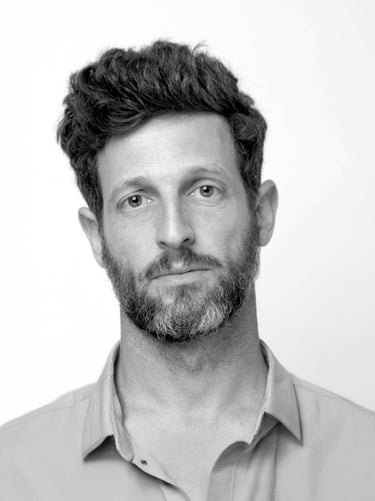
Name: Nadan Pines
Background: Former F-16 Navigator, Israeli Air Force
Education: BFA in Animation
Notable Work: Half Baked, Father’s Son
Storytelling Philosophy: Stories should raise questions and linger like puzzles.
Before he ever framed a shot, Nadan Pines was navigating the sky at high speed.
For a decade, he served as an F-16 navigator in the Israeli Air Force. In that world, clarity is not optional. Every decision must be precise. Every calculation carries consequence. There is no room for hesitation when you are thousands of feet above the ground.
And yet, even within that structured life, cinema quietly lived inside him.
As a child, Nadan could watch the same film again and again, fully captivated each time. Not casually. Not passively. He studied it without realizing he was studying it. He absorbed rhythm, mood, and mystery long before he had the vocabulary to describe them.
Eventually, something shifted. When the time felt right, he made a decision that required a different kind of courage. He left the cockpit and entered film school.
He has been telling stories ever since.
An Organic Way of Building Worlds
Unlike the rigid precision required in aviation, Nadan’s creative process is intentionally fluid.
He does not begin with a master plan. He begins with curiosity.
A sentence. A mood. A fragment of thought.
He lets it sit. He plays with it slowly. Sometimes nothing happens. Sometimes two sentences react to each other unexpectedly. One idea sparks another. Gradually, something begins to crystallize.
Writing, for Nadan, is exploration rather than execution.
He often describes editing as part of writing itself. At first, the options feel endless. But as characters gain history and emotional texture, the story begins to close doors on its own. Certain outcomes feel true. Others no longer belong.
The structure reveals itself through patience.
The Film That Opened the Door
When asked which film changed the way he views cinema, his answer is immediate: The Matrix.
He remembers the first time he saw it. The shock. The ambition. The philosophical undertone beneath the action. It was not simply entertainment. It was a provocation.
It asked the audience to question reality itself.
That experience left a permanent imprint. Cinema, he realized, could challenge perception and linger long after the screen fades to black.
Today, that belief defines his own storytelling.
For Nadan, a successful film does not resolve neatly. It raises questions. If it stays in someone’s mind like a puzzle, continuing to echo days later, then it has fulfilled its purpose.
The Discipline of Commitment
Independent filmmaking quickly dissolves romantic illusions.
While studying animation during his BFA, Nadan created a one-minute short titled Half Baked. The premise was playful: a chef and a waiter preparing baked ducks so quickly that it feels as though the ducks come to life.
What audiences saw in sixty seconds required six months of daily work. Six months !
That project reshaped his understanding of what filmmaking demands. It is labor-intensive. It is obsessive. It requires endurance.
No project since has been easy.
Commitment, he learned, is not an accessory to independent filmmaking. It is the foundation.
The Moment Everything Collapsed
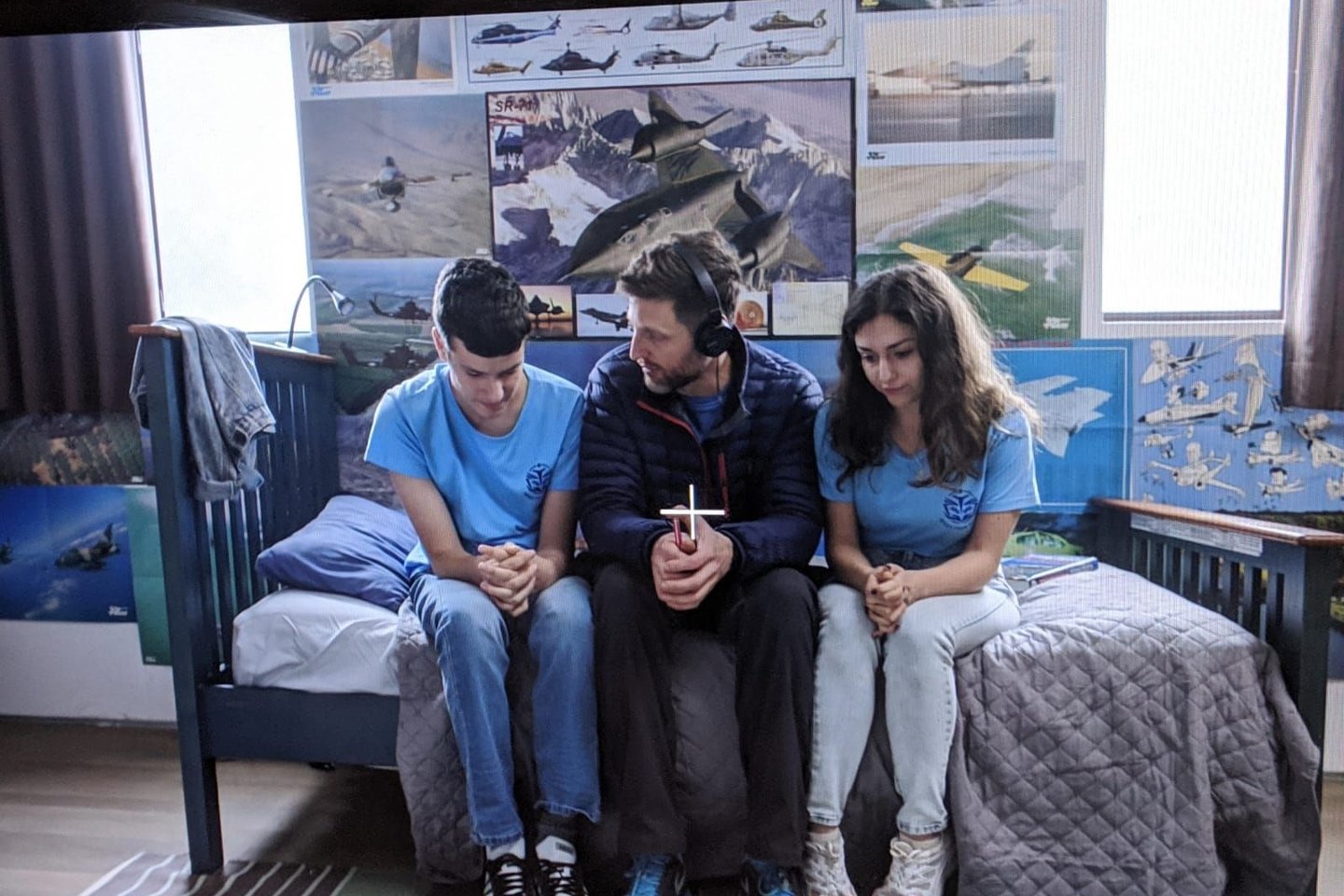
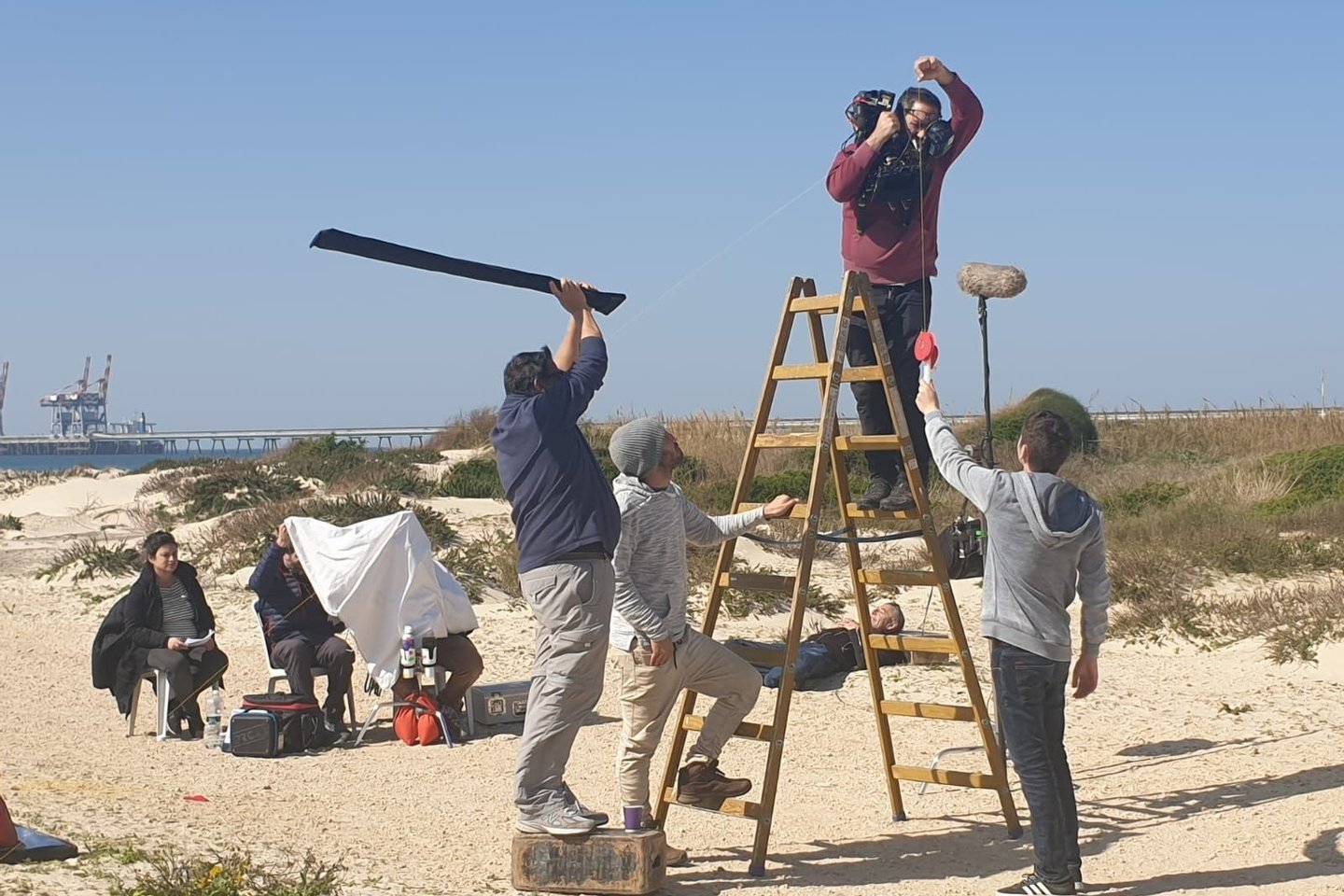
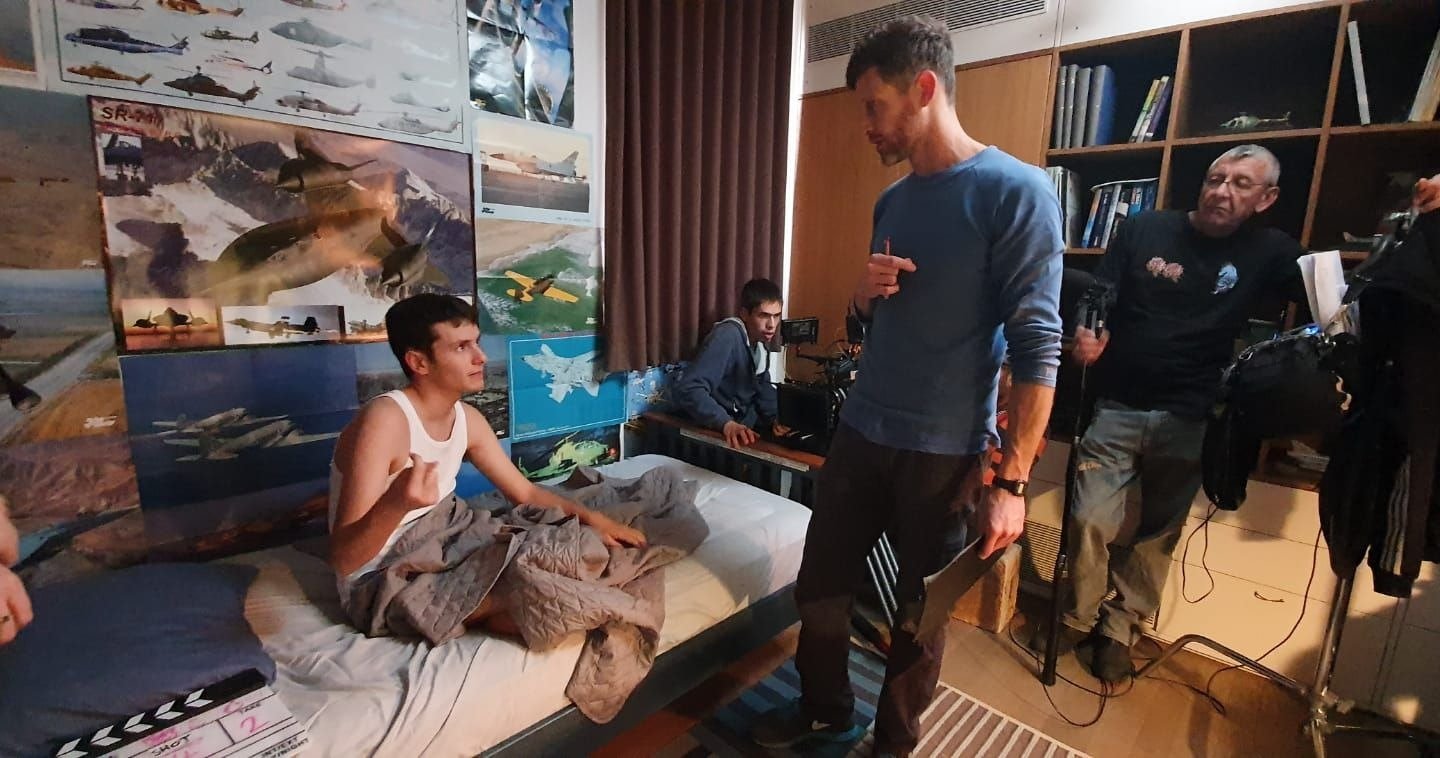
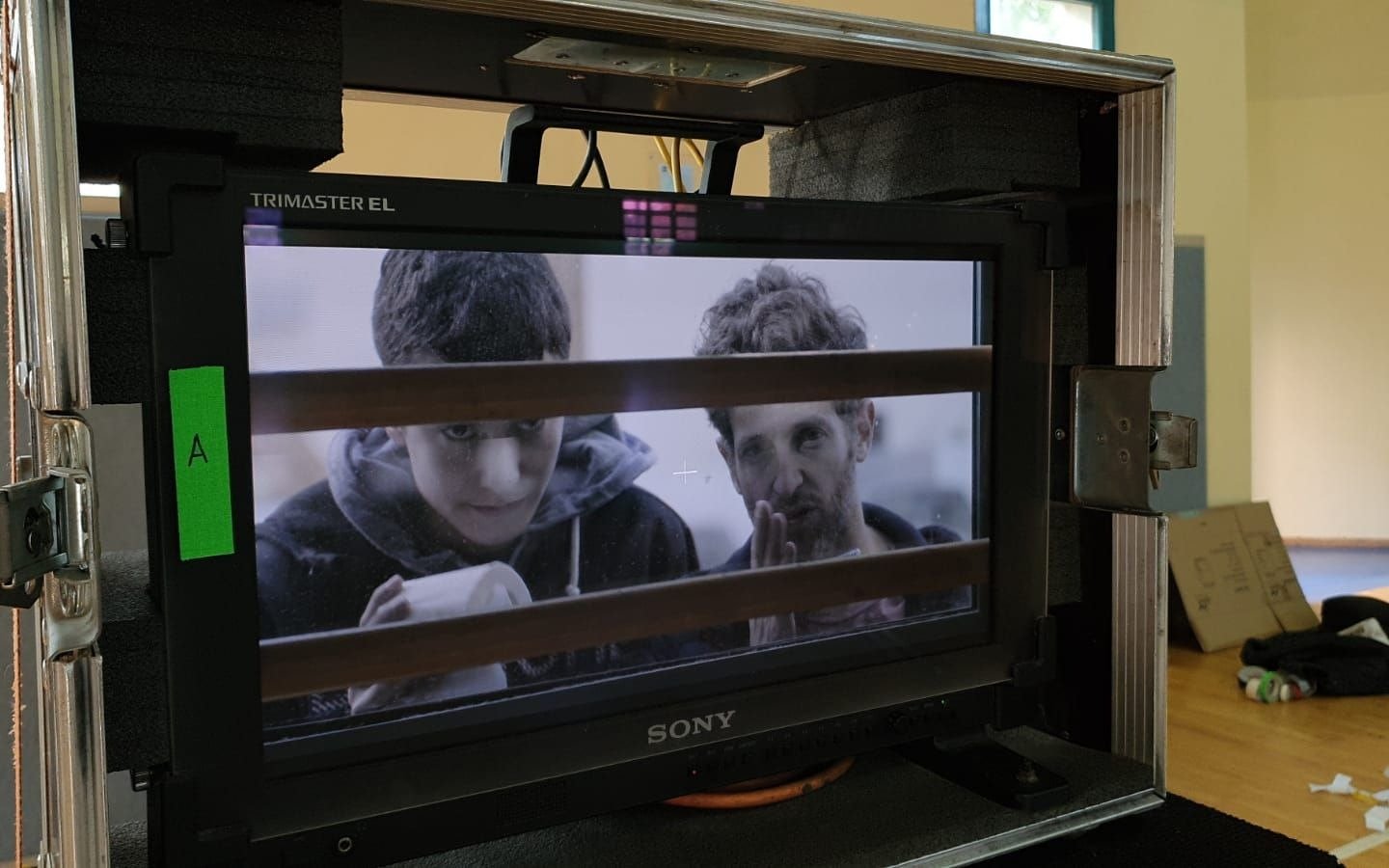
During the production of Father’s Son, that commitment was tested in real time.
The team had carefully scheduled glider scenes for what was forecasted to be a perfect flying day. Then, without warning, the weather shifted. Rain. Strong winds. Unsafe conditions.The schedule collapsed instantly.
Nadan recalls driving after briefing an actor about the scene, pulling over in the middle of the road, and feeling completely lost. For several long minutes, he did not know what to do next. Where to drive. Who to call.
Then reasoning returned.He sat in the car and rebuilt the schedule piece by piece.
Filmmaking, he realized, is not about the absence of crisis. It is about the ability to respond when everything falls apart.
Why Stories Matter Now
For Nadan Pines, storytelling is inseparable from being human.We are born. We live. We die. A beginning, a middle, and an end. Just like a narrative.
Stories echo the way people think, feel, and act. They help us cope. They help us understand ourselves. And in uncertain times, they become even more essential.
Looking toward the future, he sees a world increasingly shaped by technology. Artificial intelligence raises complex questions. Is it a promise. A threat. Both.
Will people return to physical life and land, or move further into virtual existence.He does not pretend to know.But he is certain of one thing. Stories will endure, regardless of the medium.
The Long Road to Finding a Voice
When speaking to emerging filmmakers, Nadan’s advice is both simple and demanding.Find your voice.
He recalls a professor who once said that every artist has 10,000 bad drawings inside them. You must create them before you reach the good ones.Stories are no different.
Experiment without hesitation. Read deeply. Edit ruthlessly. Through that process, you will not only discover how you tell stories. You will discover who you are.
A Philosophy of Attention
If his storytelling had to be distilled into a single idea, it would be this:
Things are magical once you really look at them.
It is a philosophy that demands presence. It rejects distraction. It invites patience.
From navigating fighter jets through open skies to navigating fragile narrative structures on screen, Nadan Pines has lived between precision and imagination.
His films do not shout. They linger.They ask.They observe.
And somewhere in that careful observation, magic reveals itself.
Discover more voices shaping the future of storytelling.
At The Storyteller Universe, we spotlight filmmakers who challenge perception, embrace vulnerability, and redefine what cinema can be.

